
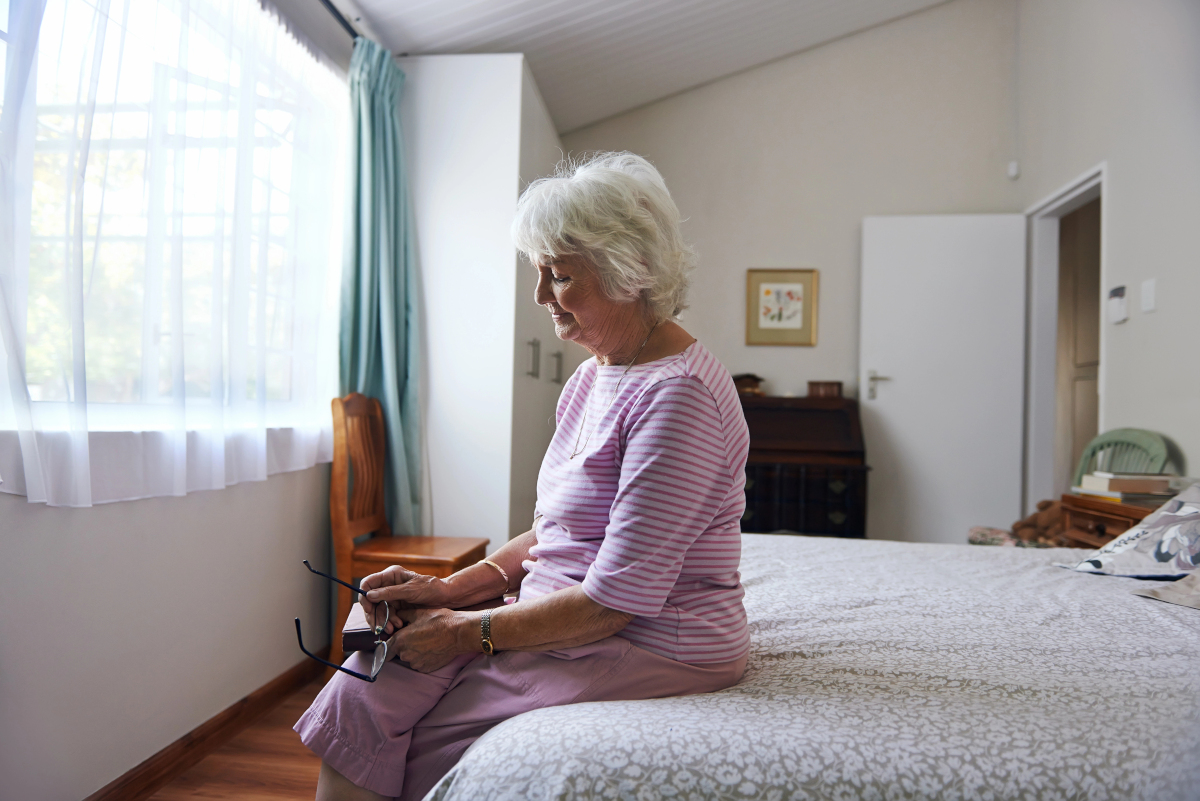
Human beings have a strong desire to socialize and belong to a community. That desire does not change as we grow older. However, aging can make getting out around other people more difficult than it used to be.
According to AARP, around 41% of Americans in their sixties experience loneliness. That is nearly a 10% jump from 32% in 2010.
The mental health statistics are also concerning. AARP stated that 8.7 million older adults reported having depression, which was a significant jump from the 6.5 million reported a decade ago.
Loneliness and isolation among seniors are considered a public health crisis in the United States.
Why Don’t Some Seniors Socialize?
When we are young, we tend to have a network of friends to contact and visit. Getting up and going to someone’s house or to an event isn’t usually a big deal. As we age, we start to experience changes and medical conditions that can become roadblocks to doing this.
Limited mobility can force a senior to stay home or limit their time away. Health conditions can make it painful to walk or move around, especially for longer periods of time.
What can you do to stay mobile in your golden years? Having a good routine helps older adults remain social and connected.
There is also the emotional and mental side of aging. The older we get, the more likely we are to experience the loss of loved ones. Years go by, and people start to pass away.
A senior who had a thriving social circle in their 20s, 30s, or 40s may find themselves alone as their friends move or pass away.
A lack of senior socialization often isn’t a conscious choice, but a product of the circumstances of aging.
Isolation and Senior Health
We usually think of isolation as a mental condition. It’s something that may mentally hurt us, but how can it cause physical harm? Studies have shown that senior isolation has a very real impact on physical health.
The U.S. Centers for Disease Control and Prevention (CDC) reported that social isolation and loneliness can increase the risk of:
- Type 2 diabetes
- Heart disease
- Stroke
- Dementia
- Self-harm
- Suicide
Seniors who are isolated are also more likely to pass away earlier than those who have active social lives.
This occurs because regular socialization does several things for the human body. It can lower blood pressure, strengthen the immune system, and encourage physical movement. It also has a profound effect on emotional and mental wellness. These factors directly impact longevity.
8 Ways to Stay Social in Assisted Living Care
Seniors in assisted living have access to many resources that help them stay social and active. What can you or a loved one do to maintain a social circle and avoid isolation in a senior community?
- Join Community-Hosted Events
Assisted living facilities like Woodhaven Retirement Community offer event calendars that are usually filled with activities and gatherings. This is a great starting point to meet new people and be socially active.
Look for anything that might interest you. It could be a musical performance, a class, a group workout session, a book club, or a movie night.
Joining in will help you get to know other residents. You may find that some residents attend the same events as you do and may have similar interests. It’s a great way to start what could end up being a life-long friendship!
- Meet Your Assisted Living Neighbors
If you are able, take a walk around your assisted living community and get to know your neighbors. This is a good way to learn how to ease into a more active senior lifestyle. The extra movement is good for the body, and it gives you opportunities to chat and interact with other people.
Doing this regularly will also make you a familiar face to your neighbors. When they see you often, they will feel more comfortable saying hello or starting a conversation with you.
- Take Time to Get Some Fresh Air
The sunshine and fresh air are great for physical and mental health. If you are able and the weather permits, spend time in any green spaces, patios, or walking paths available in your senior community.
This should always be done with safety in mind. If you need a walking aid or support staff to be present, bring what you need or speak to someone to assist.
Ask your neighbors if anyone would like to join in and turn it into a social activity.
- Utilize Fitness Facilities and Amenities
If your assisted living community has fitness facilities or classes, make a point to use them. These are places where other seniors will likely congregate, possibly with similar goals in mind.
Staying fit and active is a big part of the socializing puzzle. The more active you are, the better you can move, the fewer aches and pains you’ll have, and the happier you’ll feel. These factors make it easier to meet new people and make friends.
- Try a New Hobby or Enjoy an Old Hobby
Check with assisted living staff to learn about activities to learn a skill or engage in a hobby. Some facilities have on-site gardens. These are usually designed for seniors. They will likely have well-kept spaces with enough room to move and raised garden beds to prevent excessive bending or crouching.
You can also ask about other activities, like arts and crafts classes or activities available through the local community.
Engaging in a hobby is a great way to meet like-minded people.
- Engage with Staff Members Each Day
Families tend to feel better about a loved one staying in assisted living because there is always staff on hand to provide support. This is another source for socializing.
Don’t be afraid to engage with staff members when they check in. It’s a great time to enjoy some friendly conversation or learn more about what’s happening around the wider community.
Staff members are also a great source of suggestions for events, classes, and activities.
- Ask About Communication Technology
Today’s technology makes it possible to connect with people anywhere in the world. If you haven’t done so already, ask staff if devices are available to make video calls. Mobile phones and tablets are an easy way to have a face-to-face conversation with someone who is miles away.
Technology keeps seniors in touch with friends and family beyond their assisted living communities.
- Have a Daily Wellness Routine
Chances are things won’t change overnight. Striking up one conversation or going for a walk one day isn’t going to completely build your social circle or form long-term friendships. It requires smaller, consistent changes.
Have a daily wellness routine. This should include both physical and mental health-related activities. Plan exercise that is safe and appropriate for your mobility level and capability. Look for social opportunities, even if they are brief.
For example, you can take a walk and make a point to say hello to at least three people. Or your routine could include consulting the community event calendar and choosing an activity or event to attend every week.
These little steps have a big impact over time. Get started now so you feel healthier, happier, and avoid senior isolation in assisted living.
